

Have you ever searched for a quick fact, seen the answer right at the top of the page, and closed the tab without clicking a single link? You are not alone. Search engines now resolve a massive portion of user queries instantly on the results page. These interactions are known as zero-click searches, and they have completely reshaped how we approach search engine optimization. If you want to maximize your visibility in this new landscape, partnering with specialists like Now SEO Agency can give you a significant advantage, while resources such as Search Engine Journal and Moz provide up-to-date strategies and best practices.
When users get their answers directly from featured snippets, AI overviews, or answer boxes, they no longer need to visit your website to find what they want. While this might sound like a nightmare for traditional website traffic, it actually presents a massive opportunity. Earning that top spot builds immediate brand authority and captures mindshare before your competitors even get a chance to speak.
This guide will break down the mechanics of zero-click searches and show you exactly how to adapt your strategy. We will cover why these searches dominate the landscape, how they impact your overall traffic, and actionable steps you can take to secure these highly visible positions.
Understanding the Zero-Click Search Landscape
A zero-click search occurs when a search engine fulfills the user’s intent directly on the search engine results page (SERP). The user types a query, reads the answer provided in a designated box at the top, and leaves feeling satisfied.
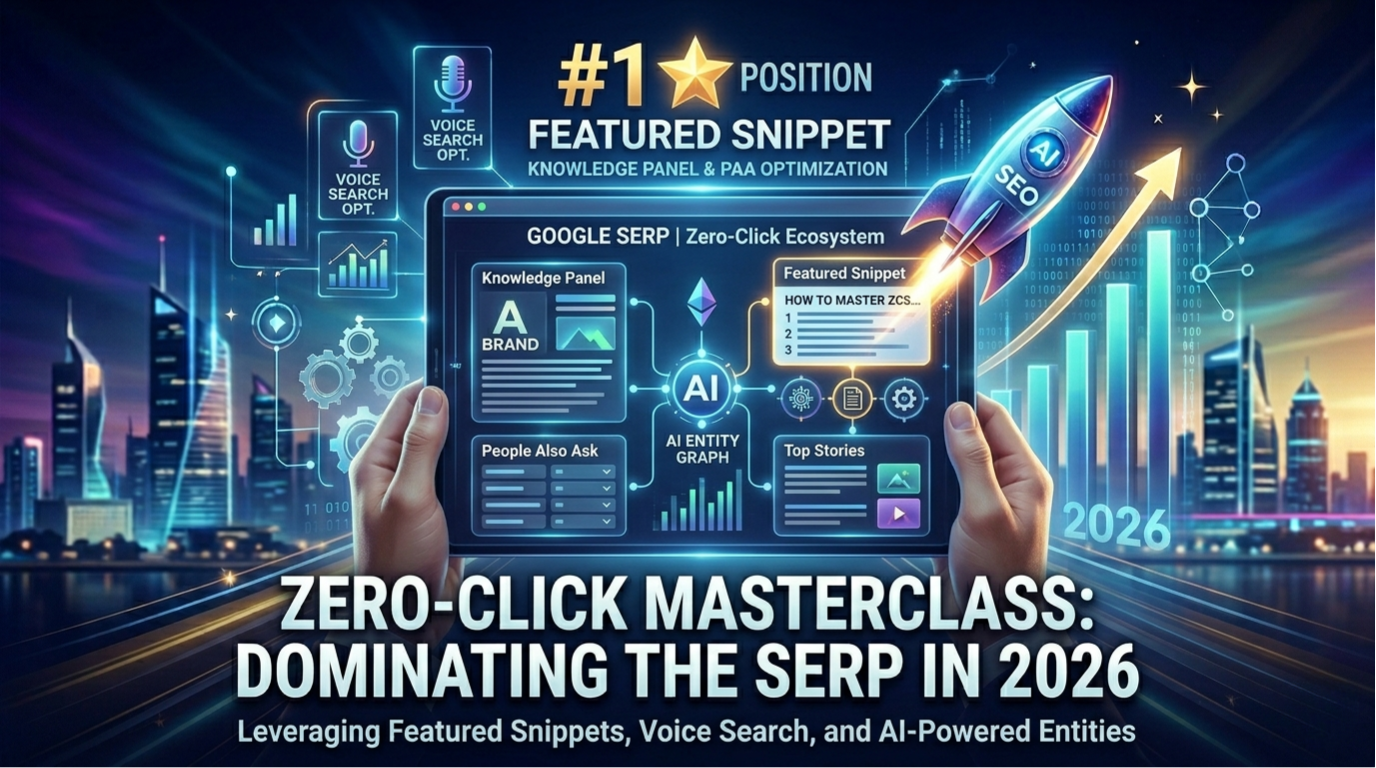
Search engines achieve this through several features. Featured snippets pull a short paragraph, list, or table from a highly ranked page and display it prominently. Knowledge panels gather factual data about entities like people, companies, or places. More recently, AI-generated answer boxes synthesize information from multiple sources to give a direct, conversational response.
Search engines want to provide the best user experience possible. Forging a path that requires fewer clicks aligns perfectly with that goal. If someone wants to know the boiling point of water or the current time in Tokyo, making them dig through a 2000-word article creates friction. By providing the answer immediately, the search engine keeps the user happy.
Why Zero-Click Searches Matter for Your Business
Many marketers panic when they see zero-click search data. If people do not click, how do you generate leads or sales? To understand the value, you have to shift your perspective from direct clicks to brand visibility and authority.
Building Immediate Trust and Authority
When a search engine chooses your content to directly answer a user’s question, it essentially endorses your brand as the definitive expert. The user sees your brand name right next to the exact answer they needed. Over time, this repeated exposure builds immense trust. When that user eventually needs a complex service or product, they will remember the brand that consistently answered their questions without asking for anything in return.
Controlling the Narrative
If you do not optimize for featured snippets and answer boxes, your competitors will. Allowing a competitor to own the zero-click space means they control the narrative around your industry’s core topics. Capturing these spots ensures your perspective, your data, and your brand voice reach the user first.
Driving Qualified, High-Intent Traffic
Zero-click searches handle the simple, top-of-funnel queries. When you answer these straightforward questions directly on the SERP, you filter out users who only wanted a quick fact. The people who actually click through to your website are the ones seeking deep, comprehensive information. This means the traffic you do receive will have a much lower bounce rate and a much higher likelihood of converting.
Strategies to Optimize for Featured Snippets
Securing a featured snippet requires a very deliberate approach to content creation. You cannot just write a good article and hope the search engine picks it up. You must structure your information exactly how the algorithms want to read it.
Target Question-Based Keywords
Zero-click searches almost always stem from direct questions. Users ask who, what, where, when, why, and how. To capture these queries, you need to identify the exact questions your audience asks.
Build your content around answering these specific questions. Instead of targeting a broad keyword like “SEO strategies,” target the exact query: “What are the best SEO strategies for 2026?” Use this question as an H2 or H3 heading within your content. This signals to the search engine that the following text contains the direct answer.
Format Content for Quick Consumption
Search engines prefer content that they can easily parse and display. Once you pose the target question in a heading, provide a concise, direct answer immediately below it. Aim for a paragraph of 40 to 60 words. Make this answer as factual and clear as possible.
Once you provide the short answer, you can use the rest of the section to elaborate, provide examples, and add depth. The search engine will grab that initial short paragraph for the snippet, while human readers who click through will appreciate the detailed context.
Utilize Lists and Tables
Not all featured snippets are paragraphs. Many queries trigger list snippets or table snippets. If you are explaining a step-by-step process, use a numbered list. Make sure each step has a clear, descriptive heading. If you are comparing data, pricing, or specifications, organize that information into an HTML table. Search engines excel at pulling structured data directly into the results page.
Capturing AI Answer Boxes
With the rise of generative AI in search, optimizing for traditional snippets is only half the battle. AI answer boxes synthesize information rather than just pulling a single quote. To appear as a source in these AI overviews, you must establish deep topical authority.
AI models look for consensus among highly trusted sources. Ensure your content aligns with verified industry facts while offering unique, expert perspectives. AI also favors conversational, natural language. Write clearly, avoid overly complex jargon, and ensure your content flows logically from one point to the next.
Furthermore, you must cover a topic exhaustively. AI models pull from pages that thoroughly address the primary entity and all related subtopics. Creating comprehensive cluster content around your main subject areas will increase the chances of the AI selecting your website as a primary reference source.
Leverage Schema Markup
Search engines are incredibly smart, but they still appreciate a roadmap. Schema markup is a form of structured data that you add to your website’s code. It translates your content into a language that search algorithms understand instantly.
Adding FAQ schema to your question-and-answer sections drastically improves your chances of appearing in rich results. If you publish how-to guides, implement HowTo schema. If you share recipes, use Recipe schema. This structured data explicitly tells the search engine what your content is about, removing any guesswork and making it much easier for them to display your information in a zero-click feature.
Essential Tools for Zero-Click SEO
You do not have to guess which zero-click opportunities exist in your niche. Several powerful tools can help you identify targets and optimize your content effectively.
First, use traditional SEO platforms to filter your keyword research. Tools like Ahrefs and SEMrush allow you to filter keyword lists specifically for queries that trigger featured snippets. You can even identify snippets your competitors currently hold, allowing you to create better, more accurate content to steal those positions.
Second, use question-discovery tools. Platforms like AnswerThePublic scrape search engine autocomplete data to show you the exact phrasing users employ when asking questions about your core topics. This provides a goldmine of H2 and H3 ideas for your blog posts.
Finally, utilize schema generators. You do not need to be a developer to implement structured data. Various WordPress plugins and free online schema generators allow you to simply fill out a form with your content. The tool then spits out the necessary code to paste into your website’s header.
Next Steps for Your SEO Strategy
Zero-click searches will only grow more prevalent as search engines become better at predicting user needs and synthesizing information. Fighting this trend is a waste of resources. Embracing it will put you miles ahead of your competition.
Start by auditing your existing content. Look for your highest-ranking pages that sit just below the featured snippet. Add a clear, concise 50-word answer directly below the relevant heading. Next, identify any step-by-step guides you have published and ensure they use proper numbered list formatting. Finally, begin researching the most common questions your customers ask and build a dedicated content calendar to answer them directly on your site. By providing clear, structured, and authoritative answers, you will cement your brand’s visibility in the modern search landscape.
Frequently Asked Questions (FAQs)
1. What are zero-click searches in SEO?
Zero-click searches occur when users get the information they need directly from the search engine results page, such as in featured snippets or answer boxes, without clicking through to a website.
2. How can I optimize my website for featured snippets and answer boxes?
Focus on structuring your content with clear headings, concise answers, bullet points or tables, and use relevant keywords. Implement FAQ and HowTo schema to increase the visibility of your answers in SERPs.
3. Are zero-click searches bad for website traffic?
While they may reduce direct clicks, they offer significant brand exposure and authority. The users who do click are often more engaged and further into their decision process.
4. What tools can help me target zero-click opportunities?
Use platforms like Ahrefs, SEMrush, and AnswerThePublic to identify question-based keywords and track which queries trigger zero-click features. Schema generators or plugins also facilitate structured data implementation.
5. Should I invest in professional SEO services for zero-click optimization?
Yes, partnering with experienced agencies like Now SEO Agency can help you navigate advanced strategies and stay ahead of evolving search trends. For ongoing research and best practices, external sources such as Search Engine Journal and Moz are also valuable.
Final Thoughts
Mastering zero-click searches is essential for staying visible in 2026’s competitive digital landscape. By integrating structured content, schema markup, and expert optimization strategies—plus leveraging professional support like Now SEO Agency—you can secure premium positions in SERPs, build brand authority, and maximize meaningful engagement. Stay proactive, keep learning from industry leaders, and adapt as the search environment continues to evolve, ensuring your business remains at the forefront of search engine optimization success.